Generative AI in educational contexts
Generative AI refers to models that learn the structure of data well enough to produce new, realistic examples of it — text, images, videos, etc. In educational contexts, this helps overcome a longstanding obstacle: access to real student data is often restricted by privacy regulations and data-use agreements, which limits research, tool development, and the ability to test new policies before they reach real students.
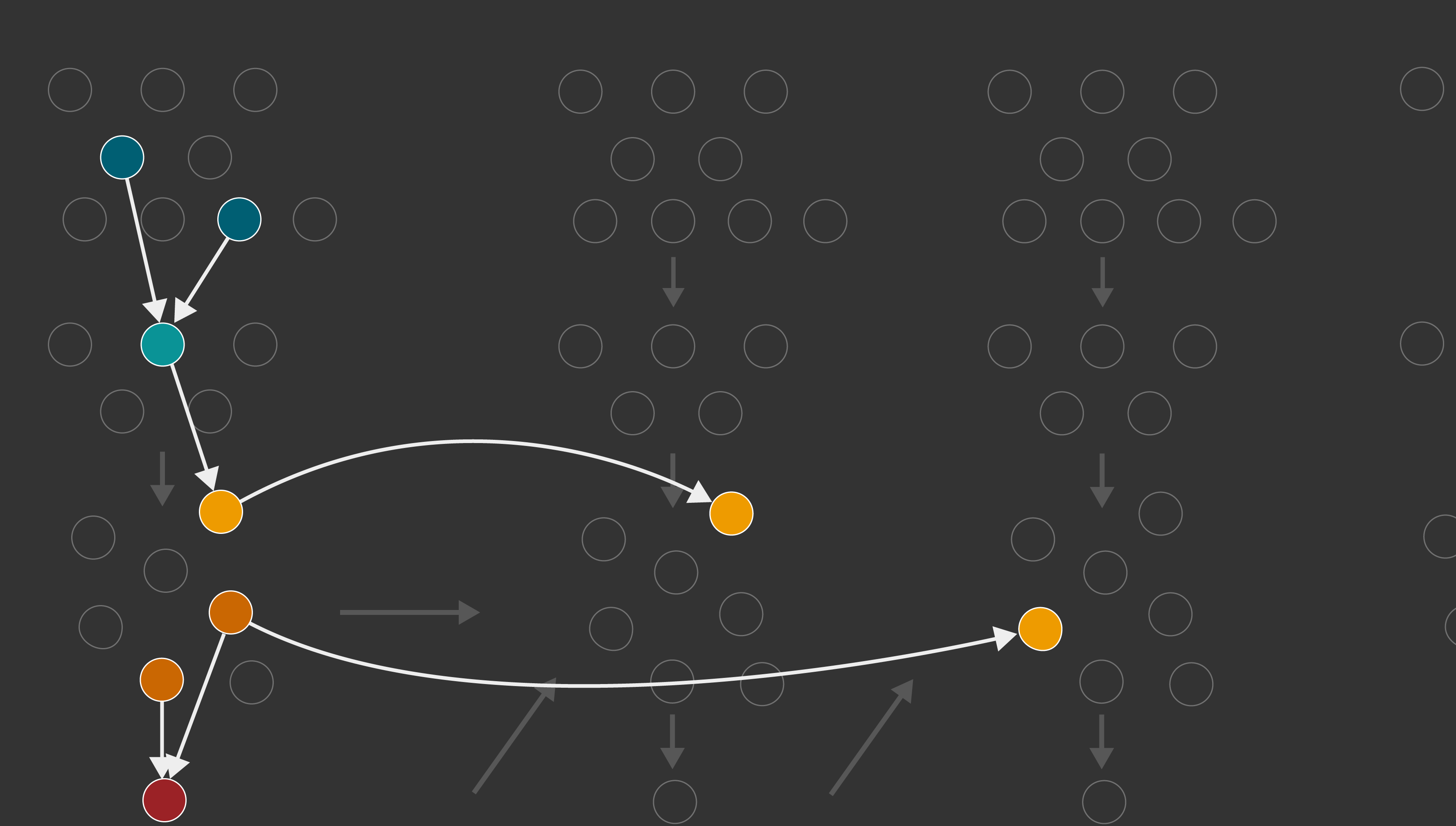
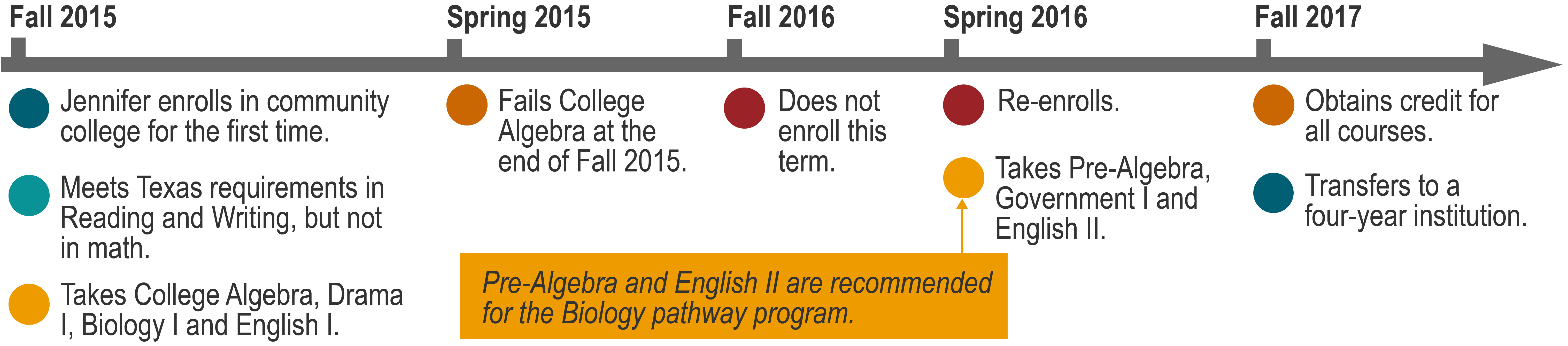
Our work develops a generative AI method to model student pathways: the longitudinal trajectories of academic readiness, course choices, grades, and enrollment decisions that trace a student’s progress from enrollment to exit. Our method learns how these varied facets of a student’s academic progression — from demographics, to course choices and performance, to certifications earned — relate to one another, by learning a dynamic Bayesian network from real student activities across time.
The value of synthetic students
Every parameter in our network corresponds to an interpretable relationship that stakeholders can inspect and adjust, such as how academic readiness shapes course enrollment, or how a grade in one course influences a student’s choices the following term. This combination of realism and transparency unlocks new possibilities: generating synthetic student data that institutions can study and share without exposing real records, simulating the effects of policy changes — like changing prerequisites and academic readiness criteria — before they reach real students, and giving researchers and stakeholders tools they can trust because they can see how the method works.
We also show that standard privacy techniques like k-anonymity break down for student pathway data, motivating new, model-aware approaches to protecting student privacy.
This work was published at the 16th International Learning Analytics & Knowledge Conference and was a best paper finalist.